
Table of Contents
Owning a home in Florida is a great investment, but leaving it empty for weeks or months can create maintenance challenges. Florida’s heat, humidity, heavy rainfall, and storm season can affect a property even when nobody is living in it.
For seasonal residents, landlords, and out-of-state property owners, vacant home maintenance in Florida is essential for protecting the property’s condition and identifying problems before they become expensive repairs.
From keeping humidity under control to checking the air conditioning, plumbing, roof, and landscaping, a regular maintenance plan can help protect your home while you’re away.
In this guide, we’ll explain how to maintain a vacant property in Florida, what to check before leaving, and why regular property inspections are important.
Why Vacant Properties in Florida Need Regular Maintenance
An empty property can develop problems without anyone noticing. A small plumbing leak, a malfunctioning air conditioner, or a damaged roof can go undetected until significant damage has occurred.
Florida’s climate creates additional challenges. Warm temperatures and high humidity can encourage mold growth, while heavy rain and storms can expose weaknesses in roofs, windows, drainage systems, and exterior structures.
Common risks include:
- Mold and mildew caused by excess moisture.
- Air conditioning failures and rising indoor humidity.
- Plumbing leaks and water damage.
- Pest activity, including ants and termites.
- Overgrown landscaping and blocked drainage.
- Storm damage and unsecured outdoor furniture.
- Security concerns around an unoccupied property.
The best way to manage these risks is to prepare the property before leaving and arrange regular checks while you’re away.
1. Keep Indoor Humidity Under Control
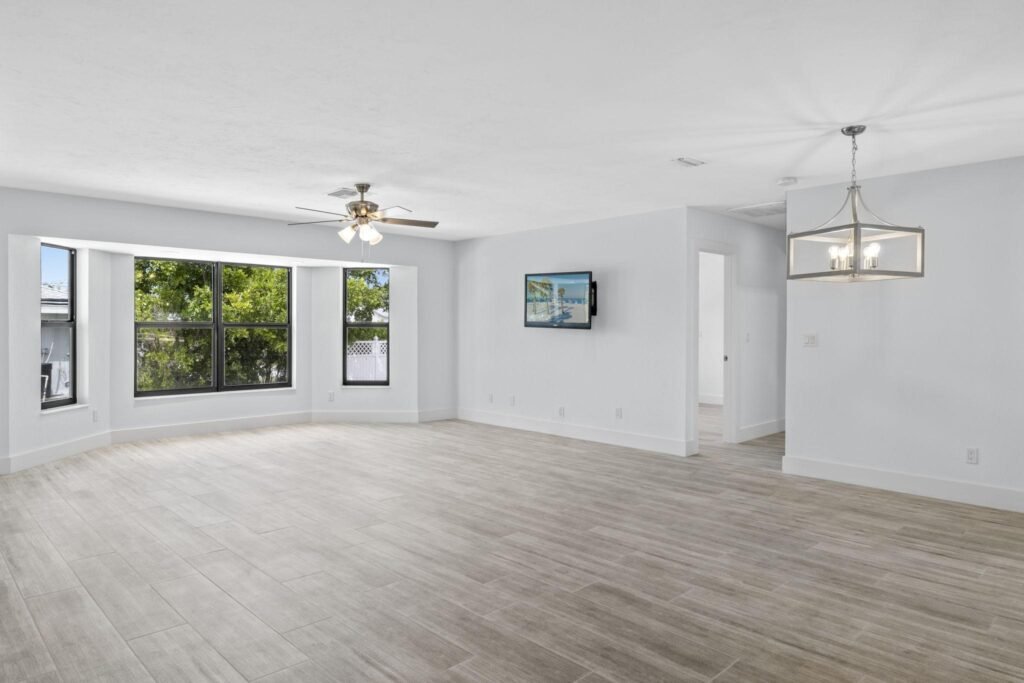
Humidity control is one of the most important parts of maintaining a vacant home in Florida. Moisture can accumulate indoors when a property remains closed for long periods, especially during the hot and humid summer months.
Excess moisture can damage furniture, drywall, flooring, and other materials. It can also create conditions that allow mold to develop.
To help protect your home:
- Use a reliable humidity monitor to track indoor moisture levels.
- Aim to keep indoor relative humidity below 60%, ideally around 50–55% where practical.
- Check for condensation around windows, walls, and air-conditioning equipment.
- Repair roof leaks, plumbing leaks, and other sources of moisture promptly.
- Consider a properly sized dehumidifier if the home needs additional humidity control.
The Florida Department of Health recommends controlling moisture and keeping indoor humidity below 60% to help prevent mold growth.
Do not rely on a closed-up home staying dry on its own. Even a property that looks clean when you leave can develop moisture problems if humidity is not managed.
2. Maintain the Air Conditioning System
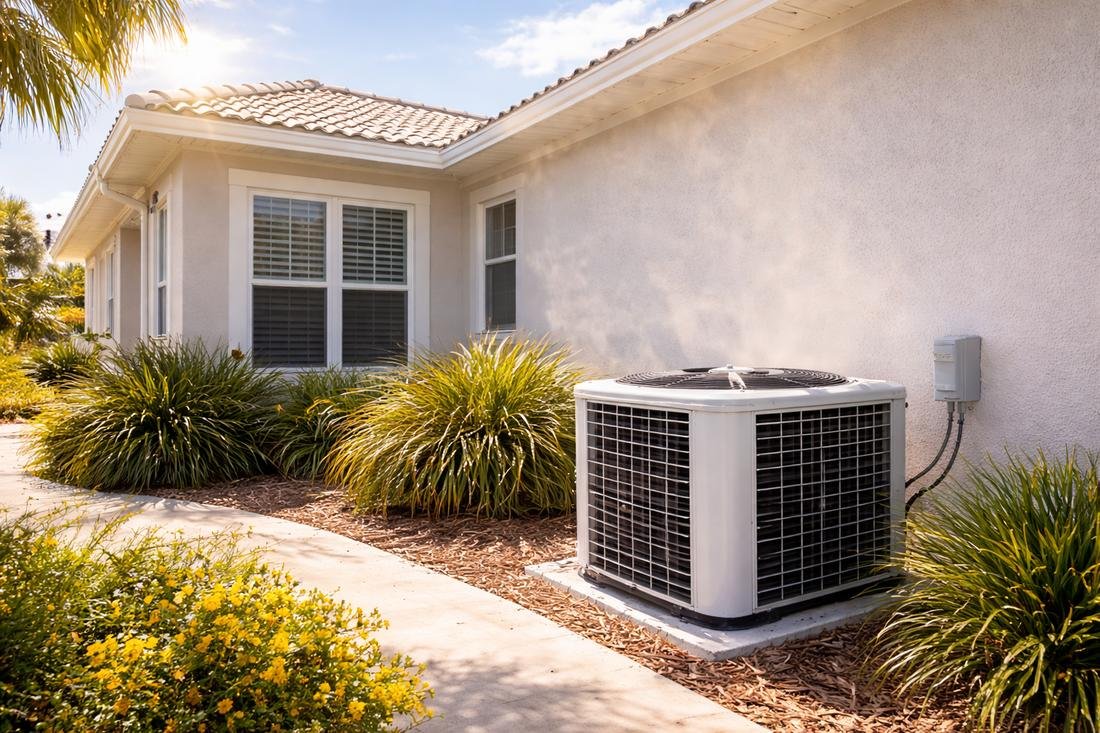
Your air conditioning system does more than keep your home comfortable. It also helps remove moisture from indoor air.
If the system stops working while you’re away, indoor humidity may rise and create conditions for mold and mildew. A clogged condensate drain or neglected HVAC equipment can also lead to water damage.
Before leaving your property:
- Schedule professional air-conditioning maintenance.
- Replace or clean the air filter as recommended by the manufacturer.
- Have the condensate drain line and drain pan checked.
- Test the thermostat and confirm that the system operates correctly.
- Consider a smart thermostat that allows remote monitoring.
- Arrange for someone to investigate alerts or signs of system failure.
What temperature should you leave your Florida home at?
There is no single setting that works for every property. Choose a temperature and humidity-control strategy based on your HVAC system, indoor humidity, manufacturer’s guidance, and energy costs. Avoid assuming that turning the AC completely off is the best option in Florida’s humid climate.
The University of Florida’s seasonal-home guidance recommends servicing the air conditioner before an extended absence and taking steps to control indoor moisture.
3. Check Plumbing and Prevent Water Damage
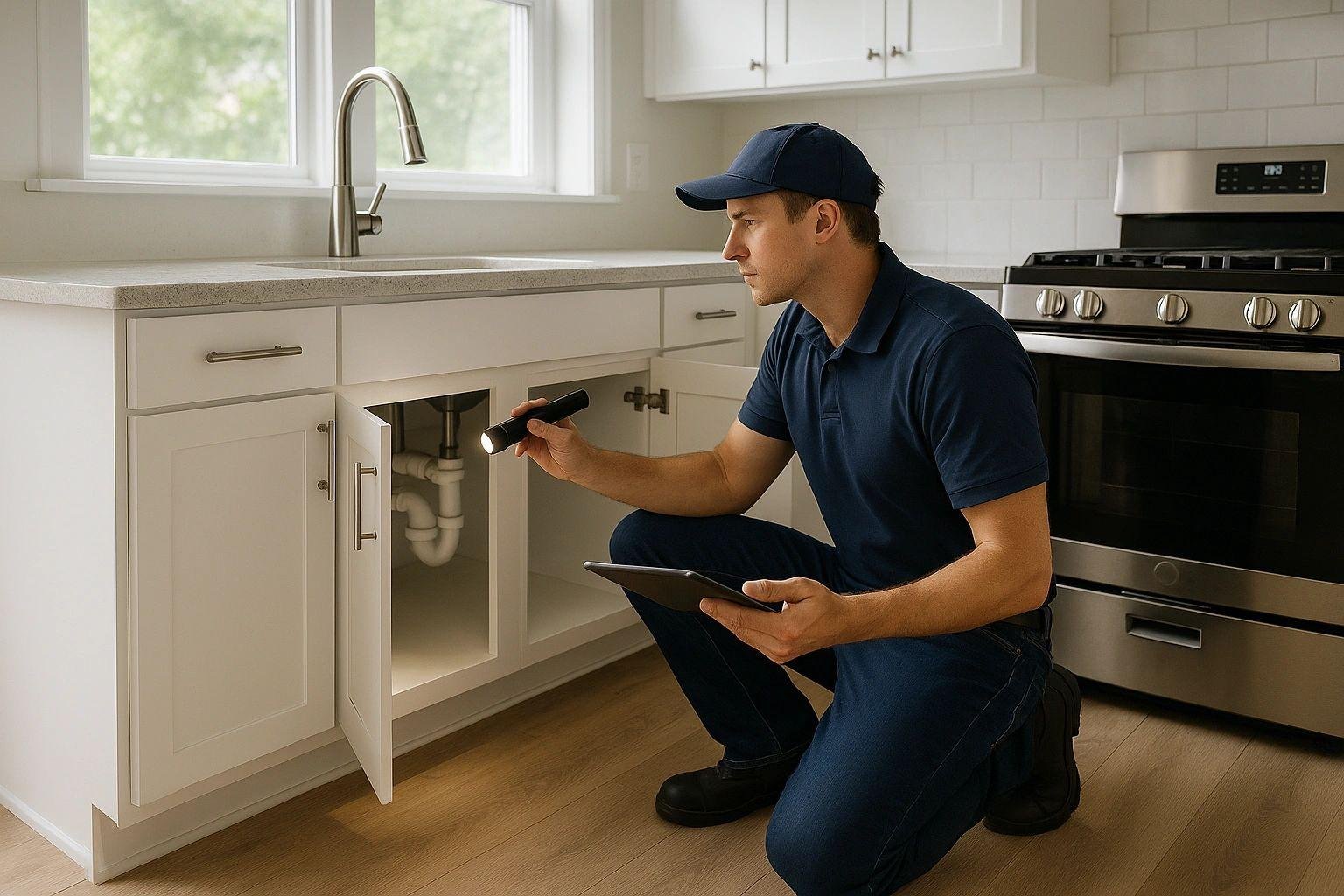
A plumbing leak can cause serious damage when a home is unoccupied. Water may spread through cabinets, flooring, walls, and ceilings before anyone discovers the problem.
Inspect the property before leaving and look for:
- Dripping faucets and leaking supply lines.
- Moisture beneath sinks and around toilets.
- Signs of water damage near the water heater.
- Slow drains and unusual plumbing odors.
- Damp spots on walls, ceilings, or flooring.
Depending on the property’s plumbing system and irrigation needs, shutting off the main water supply may reduce the risk of damage from a burst pipe or failed connection. Have a qualified professional advise you if the system includes irrigation, automatic equipment, or other features that require water.
If you leave the water supply on, consider installing a leak-detection sensor with remote alerts or an automatic shutoff system.
Also, check your insurance policy and any applicable community or property requirements before making changes to utilities.
4. Inspect the Roof, Windows, and Exterior
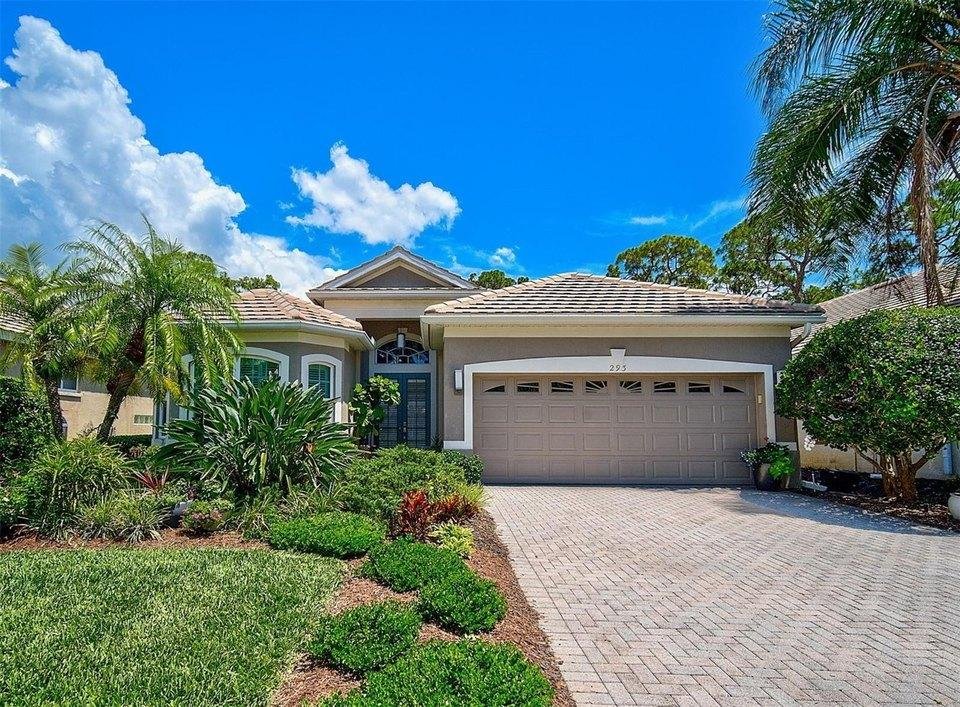
Florida’s heavy rainfall and storms can expose small exterior defects that may eventually lead to leaks or structural damage.
Before leaving your property for an extended period, arrange an exterior inspection. Look for damaged roof shingles or tiles, loose flashing, deteriorating sealant, cracked window seals, and signs of water entering the building.
You should also check:
- Gutters and downspouts for blockages.
- Drainage areas for standing water.
- Exterior doors and windows for damaged weather seals.
- Screens and other openings that could allow pests inside.
- Trees and branches that could threaten the roof or nearby structures.
Do not climb onto the roof yourself if you are not trained and equipped to do so. A qualified roofing professional can inspect areas that are difficult or unsafe to reach.
Addressing visible damage early can help reduce the risk of more extensive repairs later.
5. Prevent Pests and Termite Problems
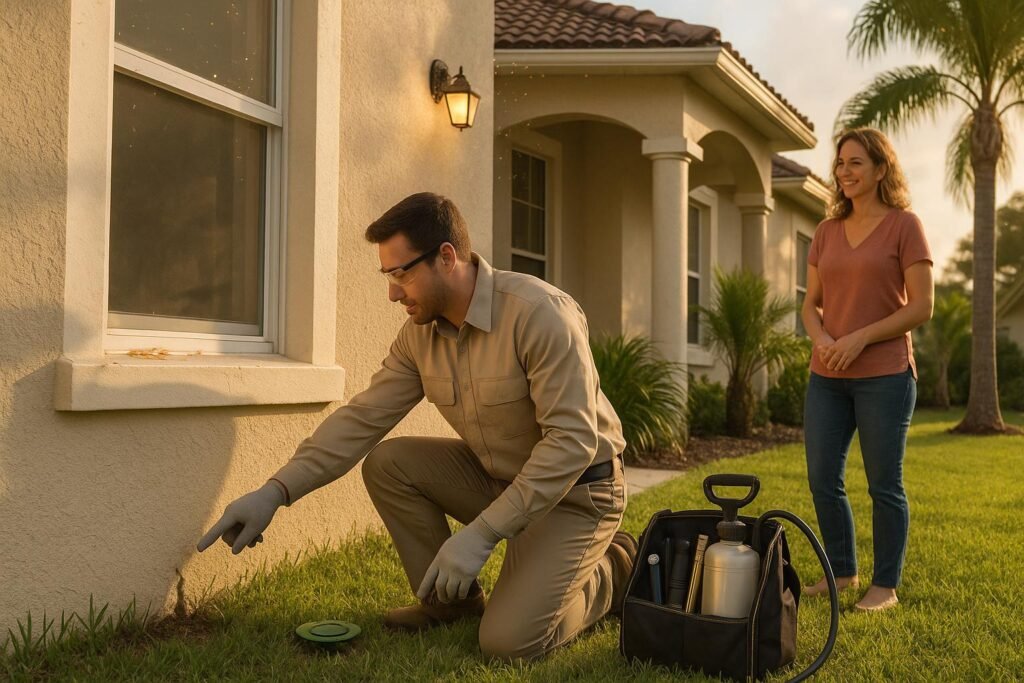
Florida’s warm climate supports a wide range of insects and other pests. An unattended property may become more vulnerable when food, moisture, vegetation, or openings provide easy access.
To reduce the risk of pest problems:
- Remove rubbish and leftover food before leaving.
- Store pantry items in sealed containers or remove them.
- Keep vegetation trimmed away from the building.
- Seal suitable gaps around doors, windows, and utility openings.
- Check for termite activity, droppings, nests, or other signs of infestation.
- Arrange professional pest inspections or treatment when appropriate.
Pay particular attention to moisture around the foundation, plumbing areas, and exterior walls. Some pest problems can be associated with damp conditions or damaged building materials.
If you notice signs of termites or a significant infestation, contact a qualified pest-control professional rather than relying on surface cleaning alone. The Florida Department of Agriculture and Consumer Services provides additional guidance on protecting homes from pests.
6. Maintain the Lawn, Landscaping, and Drainage
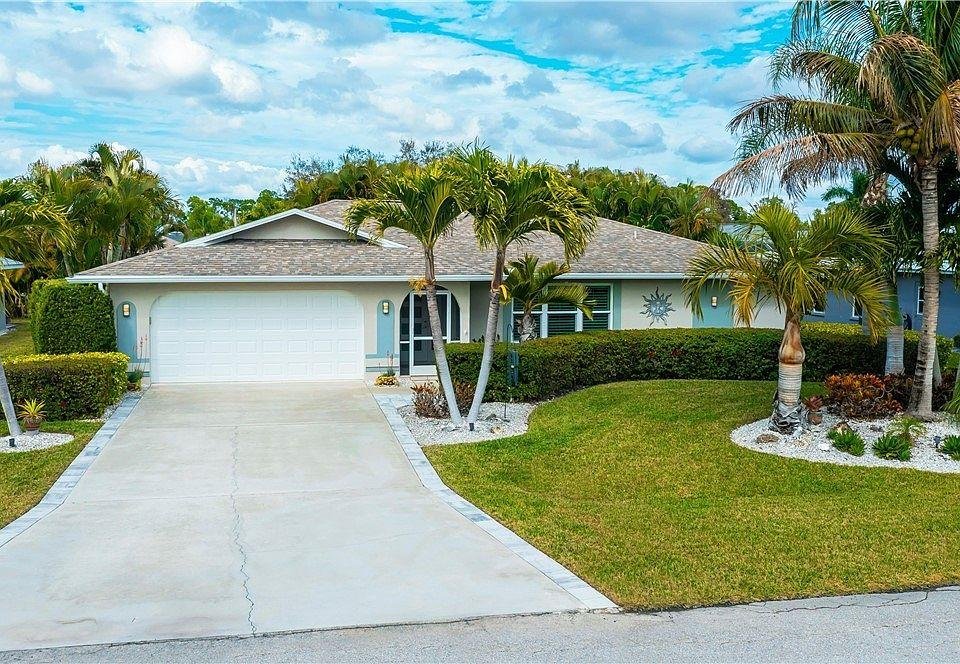
An empty property still needs regular outdoor maintenance. Overgrown grass, fallen branches, clogged drains, and poorly maintained landscaping can affect curb appeal and create avoidable maintenance issues.
Before leaving, arrange for routine lawn care and landscaping. The frequency will depend on the season, rainfall, property size, and local requirements.
Your outdoor maintenance plan should include:
- Mowing the lawn and trimming overgrown vegetation.
- Removing fallen branches and debris.
- Checking irrigation systems for leaks or broken sprinkler heads.
- Keeping gutters and drainage areas clear.
- Looking for standing water around the property.
- Checking for tree limbs that could damage the roof or exterior.
If your property is part of a homeowners association (HOA), review its landscaping and exterior-maintenance requirements before an extended absence.
Regular outdoor care also helps make the home look occupied and well maintained.
7. Prepare for Florida’s Hurricane Season
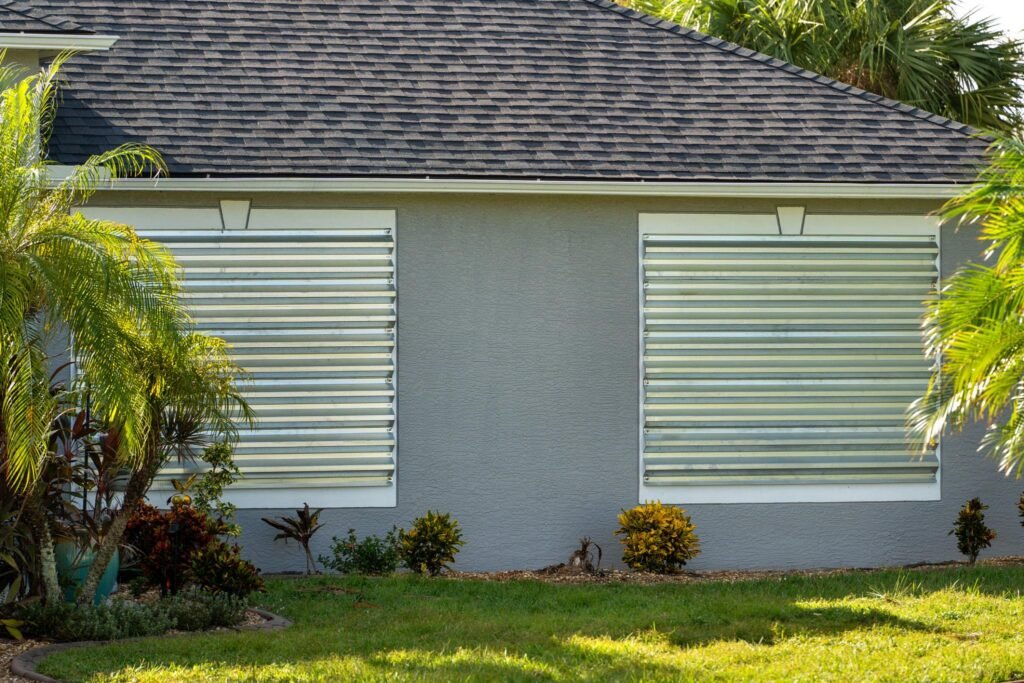
Storm preparation is especially important when you own a vacant property in Florida. Strong winds, heavy rainfall, and flooding can damage homes, and an owner who lives elsewhere may not be able to respond immediately.
Create a storm-preparation plan before hurricane threats arise.
Important steps include:
- Inspect the roof, windows, doors, and exterior for existing damage.
- Secure patio furniture, outdoor decorations, and loose equipment.
- Check storm shutters and other approved protective features.
- Confirm that gutters and drainage systems are clear.
- Identify a local contact who can coordinate inspections and emergency repairs when conditions are safe.
- Review your homeowners insurance coverage and emergency contact details.
- Arrange for a post-storm inspection once authorities and conditions permit access.
Do not wait until a storm is approaching to arrange contractors or emergency services. Availability can become limited during severe weather.
For homes in flood-prone areas, review the property’s flood risk and applicable insurance coverage. Keep photographs and records of the property’s condition so you have documentation if damage occurs.
8. Secure the Property While You’re Away
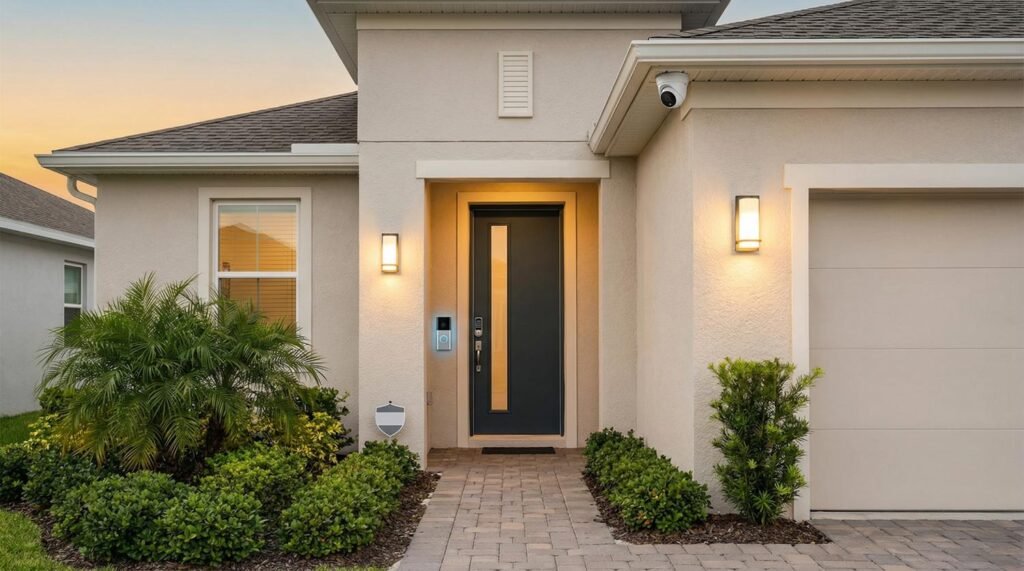
Property security is another important part of maintaining a vacant home. A house that appears unattended may attract unwanted attention, particularly if mail accumulates or landscaping becomes neglected.
Consider these precautions:
- Lock all doors, windows, and garage access points.
- Test your alarm system and security cameras.
- Use smart lighting or timers where appropriate.
- Arrange mail collection or forwarding.
- Keep spare keys in a secure location rather than an obvious hiding place.
- Give emergency access instructions to a trusted local contact.
- Avoid publicly sharing travel dates or details that reveal the property is empty.
Remote cameras and smart-home devices can help you monitor activity, but they do not replace physical inspections. A camera may show that something has happened without being able to fix a leak, remove storm debris, or restore a failed air-conditioning system.
9. Schedule Regular Vacant Property Inspections
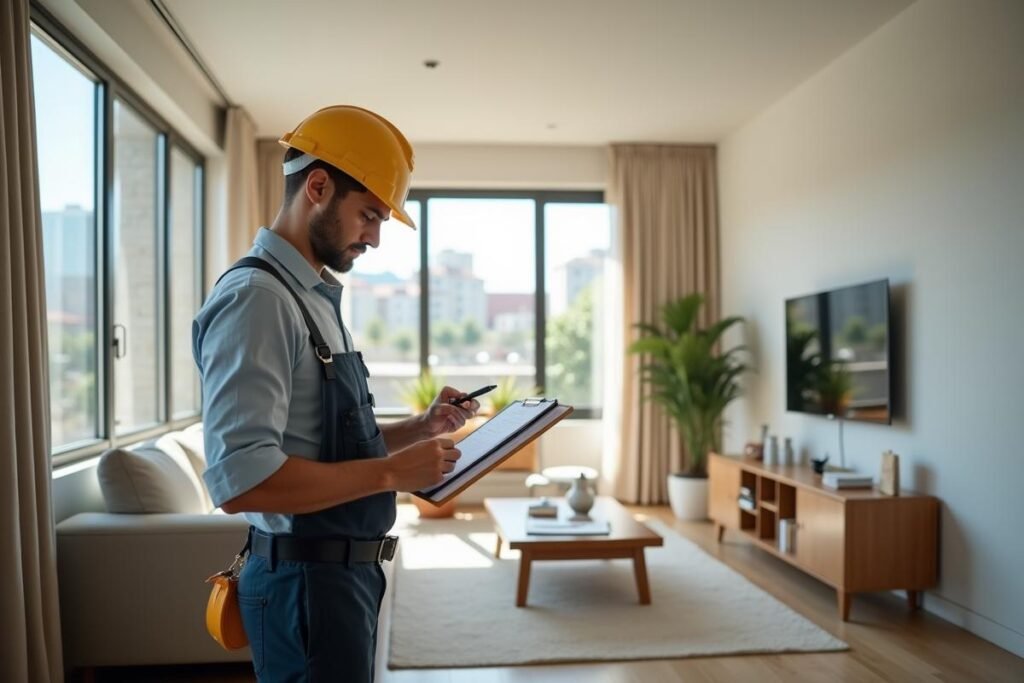
Even if your home has a smart thermostat, security cameras, and leak sensors, regular in-person inspections remain valuable.
A local inspection can identify problems that remote monitoring might miss, including musty odors, small leaks, pest activity, storm damage, and deteriorating landscaping.
Consider establishing a maintenance schedule that includes:
- Checking indoor temperature and humidity.
- Looking for leaks, stains, and unusual odors.
- Inspecting the air-conditioning system and visible plumbing.
- Checking doors, windows, and exterior access points.
- Reviewing the condition of the yard and drainage.
- Photographing any new damage or maintenance concerns.
- Coordinating repairs and confirming that completed work is satisfactory.
How often should a vacant home be inspected?
There is no universal schedule for every property. The appropriate frequency depends on the home’s condition, local weather, insurance requirements, available monitoring systems, and how long the owner will be away. A higher-risk property or one with a history of leaks may need more frequent attention.
If you own a rental property, also consider your lease obligations and any applicable tenant-access requirements. For a home that will remain vacant for months, arrange the inspection schedule before you leave rather than waiting until a problem appears.
10. Create a Vacant Property Maintenance Checklist
A written checklist makes it easier to prepare your home before departure and ensure that important tasks are not overlooked.
Use this checklist as a starting point and adjust it to your property’s needs.
Before Leaving Your Florida Property
During Your Absence
When Returning to Your Property
When Should You Hire a Property Maintenance Service?
Managing a vacant home is more difficult when you live in another state or country. Even a well-prepared property may need someone nearby to identify problems, arrange contractors, and follow up on maintenance work.
A professional property maintenance service may be helpful if:
- You own a seasonal home but spend most of the year elsewhere.
- You cannot visit the property regularly.
- You need help coordinating maintenance and repairs.
- You want a reliable local contact for property inspections.
- You need assistance checking the property after severe weather.
- You want to reduce the time spent managing routine maintenance tasks.
Before hiring a service, clarify what is included in its inspections, how urgent problems are reported, whether repairs require your approval, and how expenses are documented.
A clearly defined maintenance plan can make property ownership more manageable, particularly when the home remains vacant for an extended period.
Protect Your Florida Property While You’re Away
Maintaining a vacant home in Florida requires more than locking the doors before leaving. Humidity control, air-conditioning maintenance, plumbing inspections, pest prevention, landscaping, security, and storm preparation all play a role in protecting the property.
The most effective approach is to prepare the home before departure, monitor potential problems, and arrange regular in-person inspections. Addressing maintenance issues early can help reduce the risk of extensive damage and unexpected repair costs.
If you own a vacant or seasonal property in Southwest Florida, Proactive Property Services can be a starting point for exploring local property maintenance support.
Contact the team to discuss your property’s needs and determine what type of ongoing maintenance or inspection arrangement may be appropriate.
Visit Proactive Property Services to learn more about available services.
Frequently Asked Questions
How do you maintain a vacant house in Florida?
Keep indoor humidity under control, maintain the air-conditioning system, inspect plumbing and the exterior, prevent pest activity, maintain landscaping, secure the property, and arrange regular in-person inspections.
Should you leave the AC on in a vacant Florida home?
In many Florida homes, operating the AC helps control indoor humidity. Choose an appropriate setting based on the HVAC system, humidity conditions, and manufacturer’s recommendations rather than automatically turning it off.
How do you prevent mold in a vacant Florida house?
Control indoor moisture, keep relative humidity below 60% where possible, repair leaks promptly, and check the air-conditioning system and other moisture-prone areas regularly.
How often should someone check a vacant property?
The frequency depends on the property’s condition, the length of the owner’s absence, weather risks, and insurance requirements. Establish a consistent schedule and arrange additional checks after significant storms or alerts.
Is professional property maintenance worth it for an out-of-state owner?
It can be valuable when you cannot visit regularly, need local help coordinating repairs, or want someone to identify problems before they become more serious. Compare the service scope, reporting process, and costs before choosing a provider.